Chains of Resilience

Comment

Chains of Resilience

By Xiangwei Xia

The pathway to global development and stability is increasingly fractured. Geopolitical rivalries and technological decoupling are systematically splintering the international economic order, overwhelming traditional frameworks of globalization. Nowhere is this fragmentation more physically evident than in the shifting tectonic plates of global electronics manufacturing.

Comment

Securing The Energy Transition

Comment

Securing The Energy Transition

By Tobi Olasunkanmi OIaoye

The global energy transformation has spotlighted the importance of key minerals such as lithium, cobalt, nickel, graphite, and rare earth elements. These minerals are indispensable to clean energy: lithium and cobalt are essential to electric vehicle batteries. The extraction and processing of these minerals are largely centralized in only a few states, particularly China. This geographic concentration creates strategic dependencies that threaten decarbonization timelines, global economic security, and geopolitical stability.

Comment

A Matter of Survival

Comment

A Matter of Survival

By Jeffrey Camille

In deconstructing the challenges faced by the Marshallese diaspora, this article has explored the struggle between adaptation and relocation experienced by Marshall Islanders. My analysis has specifically tackled the issues shaping a generation of displaced Marshallese people: their loss of cultural heritage, their quest for universalistic identification, and their claim for worthiness. While my work is focused on the Marshallese case, dozens of other island states face similar devastation as rising sea levels threaten their existence. The idea of a ‘climate refugee’ is therefore not fiction but an emerging reality that the world must confront. In the interest of building long-lasting global stability, it is important for everyone to recognize that a changing climate is disrupting entire regions and forcing thousands to flee dangerous conditions in pursuit of refuge. The case of the Marshall Islander is, therefore, emblematic of every other displaced individual attempting to guard themselves against the atrocities of climate-induced harm. 

Comment

Climate Migration: Shifting Priorities in the Face of Global Crisis

Comment

Climate Migration: Shifting Priorities in the Face of Global Crisis

By Gauri Prashant Dhote

Research by the World Bank suggests that, by 2050, 216 million people will be forced to leave their homes across the globe. This policy recommendation is dedicated to the Director General (Amy Pope) of  the International Organization for Migration (IOM), as they are the primary intergovernmental organization under the United Nations (UN) tasked with addressing such issues.

Comment

2025-26 THEME: Resilience in a fractured future

Comment

2025-26 THEME: Resilience in a fractured future

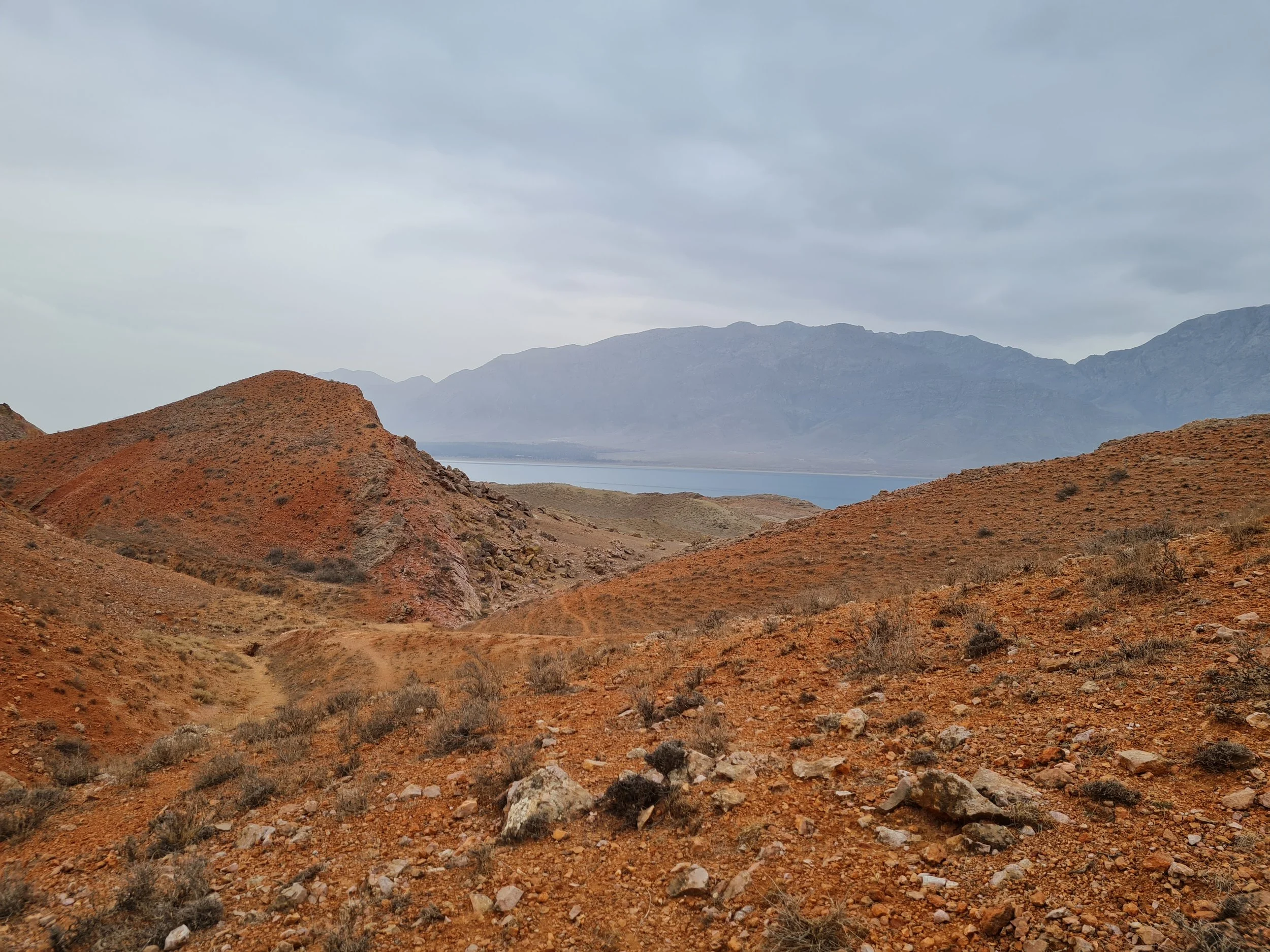
Photo Credit to Garrett Rose

SAIS Perspectives is pleased to launch its 2025-26 annual issue centered around the theme of ‘Resilience in a Fractured Future.’

The pathway to development and stability is increasingly fractured. Geopolitical rivalries, technological decoupling, climate disasters, and mass displacement are splintering the international order, worsening inequality, and overwhelming traditional policy frameworks.

Within a fractured system, however, resilience can emerge. Communities, ecosystems, and social movements are actively resisting, adapting, and forging new pathways to improve sustainability, access, and inclusion where traditional top-down governance has not. From mutual aid networks created during global crises to indigenous knowledge systems guiding climate adaptation, the shortcomings of traditional structures of governance are creating opportunities for solidarity and innovation.

Our 2025/26 Annual Theme engages the dichotomy of systemic breakdown and explores creative sustainable development solutions. Potential questions and prompts include but are not limited to:

  • How can the Global South navigate the green transition and achieve sustainable development when critical supply chains and technologies are concentrated in competing geopolitical blocs?

  • What does effective climate action look like in a world of shifting alliances, trade wars, and fractured multilateralism? Can new forms of cooperation emerge outside traditional diplomatic channels?

  • How do communities build resilience when facing simultaneous shocks of conflict, climate disaster, and economic instability?

  • How do unequal access to AI, disputes over data sovereignty, and competing models of internet governance deepen global inequality? Conversely, how might decentralized technologies create new pathways for equitable development?

  • What new policy frameworks can integrate climate action, social justice, and economic sustainability to bridge the divides of our fractured world?

This theme explores both peril and possibility. Submissions can focus on the dangers of deepening fractures, the risk of a future without change, or past destabilization. Equally welcome are stories of unexpected alliances, radical reimagining, and the creative potential that emerges when old systems break down. We want to see explorations of resilience that emerge from disruption! Amid global fracturing and rising fragility, how can we leverage innovation and inclusion to build a more sustainable, resilient future? 
Comment